
Elsa Schiaparelli: The Woman Behind Shocking Pink
When people think of fashion designer Elsa Schiaparelli, they often think of one colour: Shocking Pink. But there was far more to this remarkable designer than her famous signature shade.
With her daring imagination, surreal collaborations and fearless use of colour, Schiaparelli transformed clothing into works of art. Nearly a century later, her influence can still be seen on catwalks around the world – and in London’s recent V&A exhibition celebrating her extraordinary career.
Annie Sloan recently visited the exhibition, which inspired a new episode of The Colourist podcast. If Schiaparelli is a new name to you, here’s why she’s one of the most fascinating creative figures of the twentieth century.
Who was Elsa Schiaparelli?
Born in Rome in 1890 into an aristocratic Italian family, Elsa Schiaparelli moved to Paris in the 1920s, where she founded the House of Schiaparelli in 1927. It was there that she became one of the most original and influential fashion designers of her generation.
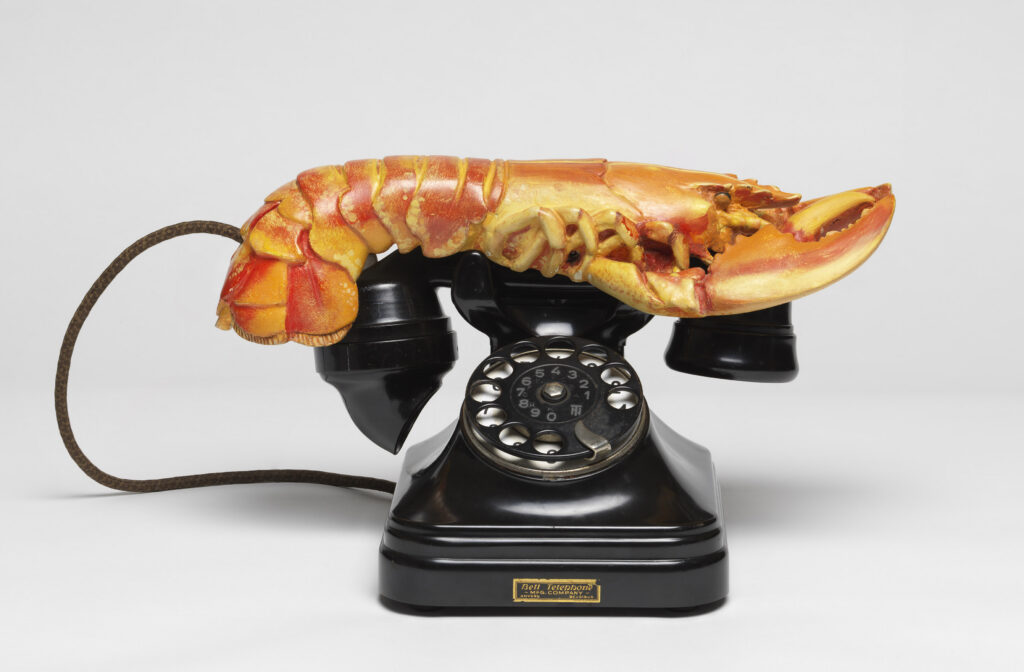
At a time when fashion was expected to be elegant and refined, Schiaparelli embraced wit, surprise and imagination. She collaborated with leading Surrealist artists including Salvador Dalí, Jean Cocteau and Man Ray, creating garments that blurred the line between fashion and art.
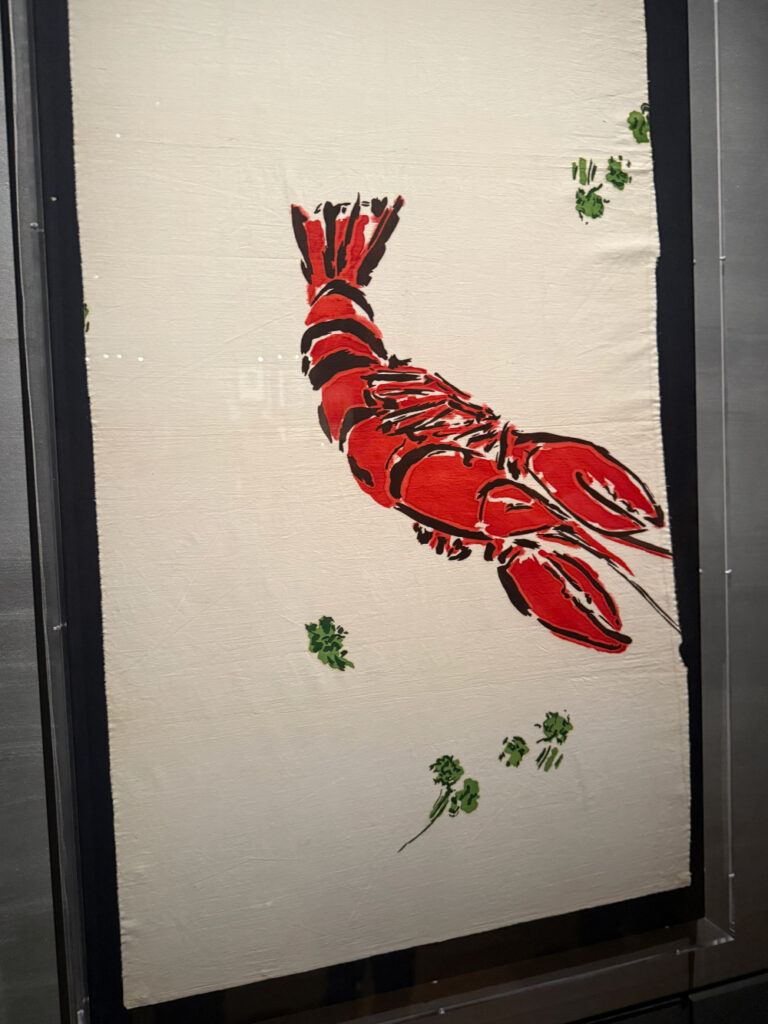
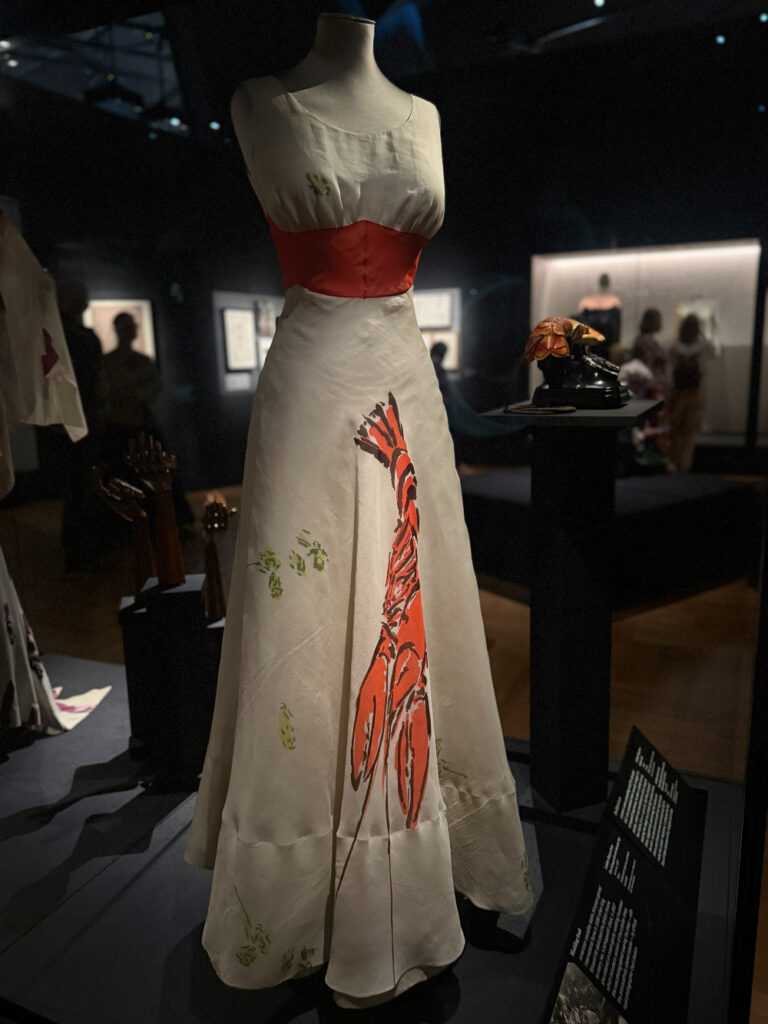
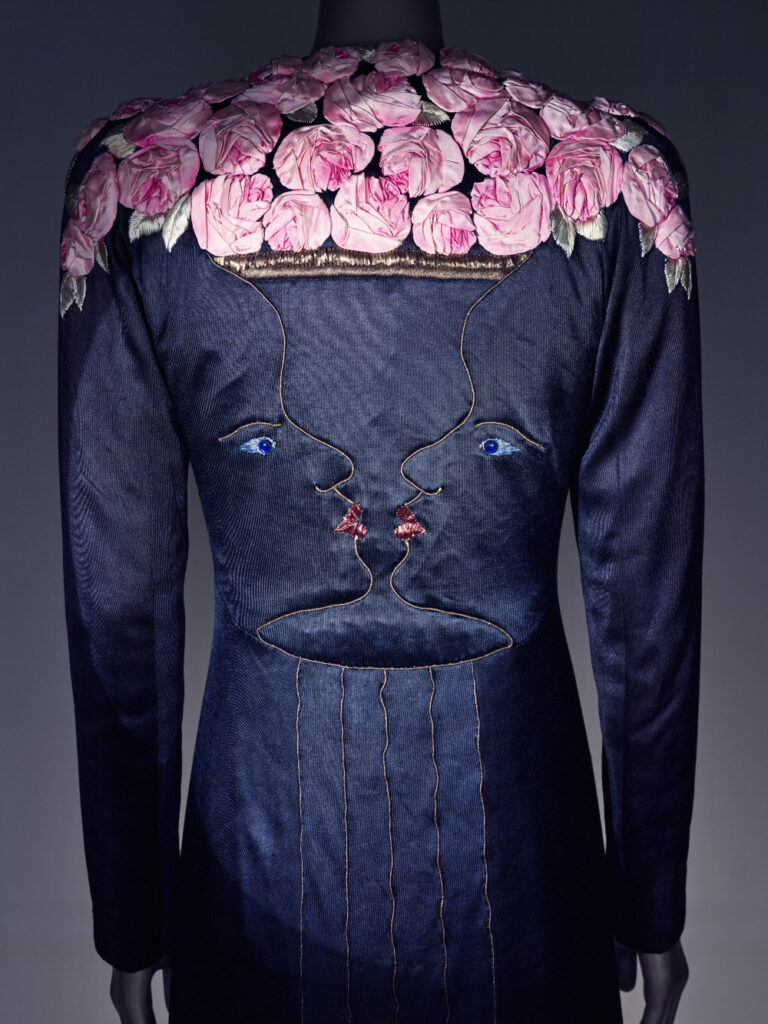
Among her most famous creations are the Lobster Dress, the Shoe Hat and beautifully embroidered jackets featuring optical illusions and unexpected motifs. Rather than simply designing beautiful clothes, Schiaparelli challenged the way people thought about fashion itself.
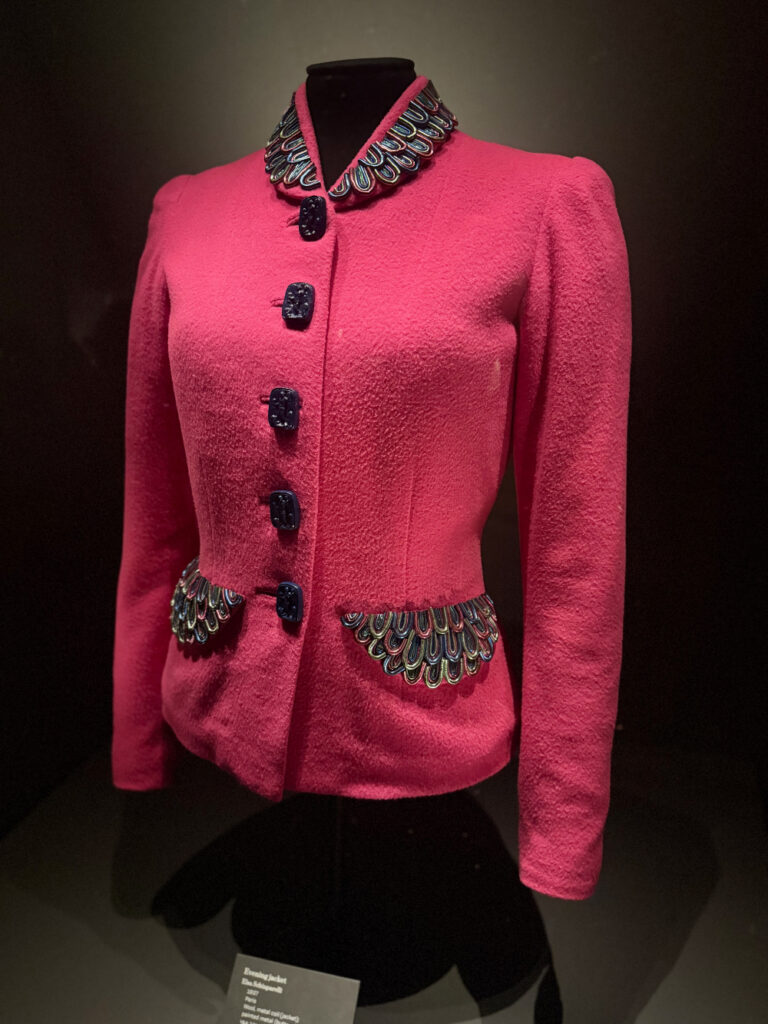
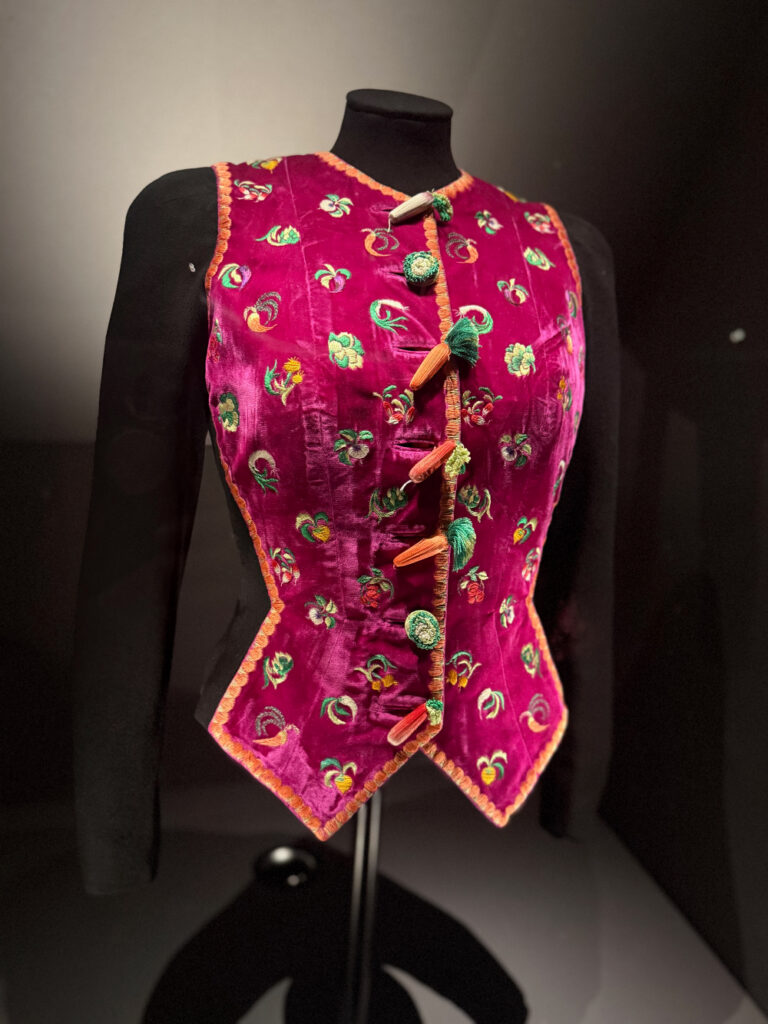
The Story of Shocking Pink
Perhaps Schiaparelli’s greatest legacy is her fearless use of colour.
In 1937 she introduced the world to Shocking Pink – a vivid, saturated magenta that became the signature colour of both her fashion house and her perfume, Shocking. Inspired by the brilliant pink of a diamond owned by American heiress Daisy Fellowes, Schiaparelli gave the colour its unforgettable name.
Shocking Pink is energetic, dramatic and impossible to ignore. It perfectly captured Schiaparelli’s personality and her belief that fashion should excite, surprise and make people smile. Today it remains one of the most recognisable colours in fashion history.
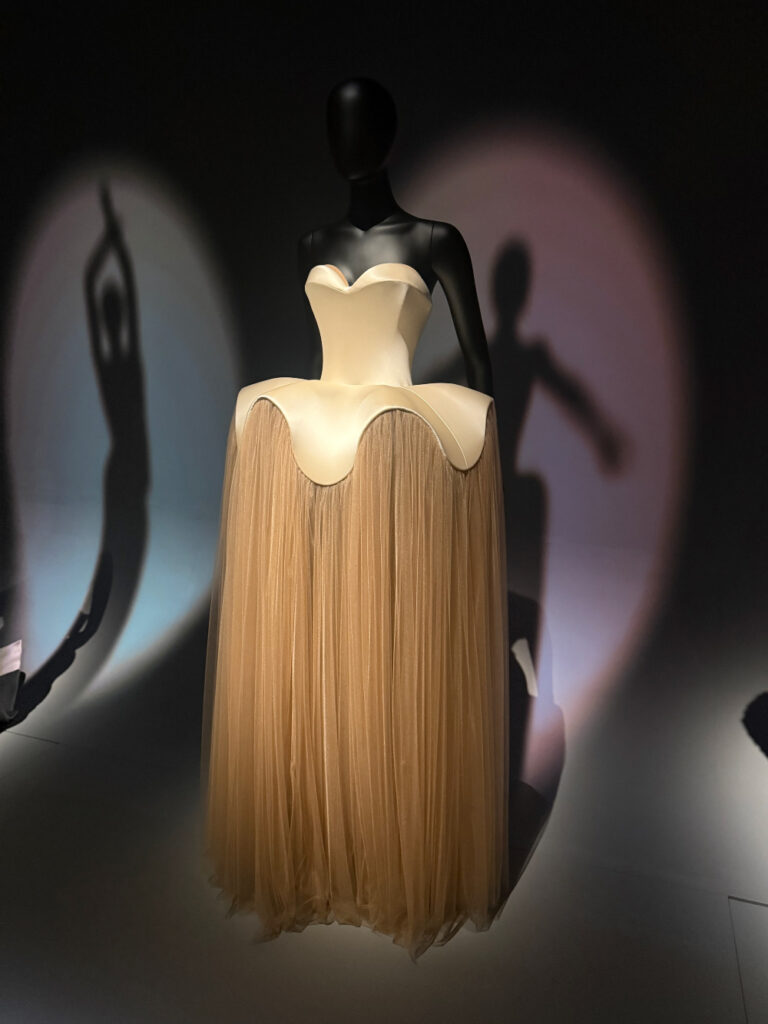
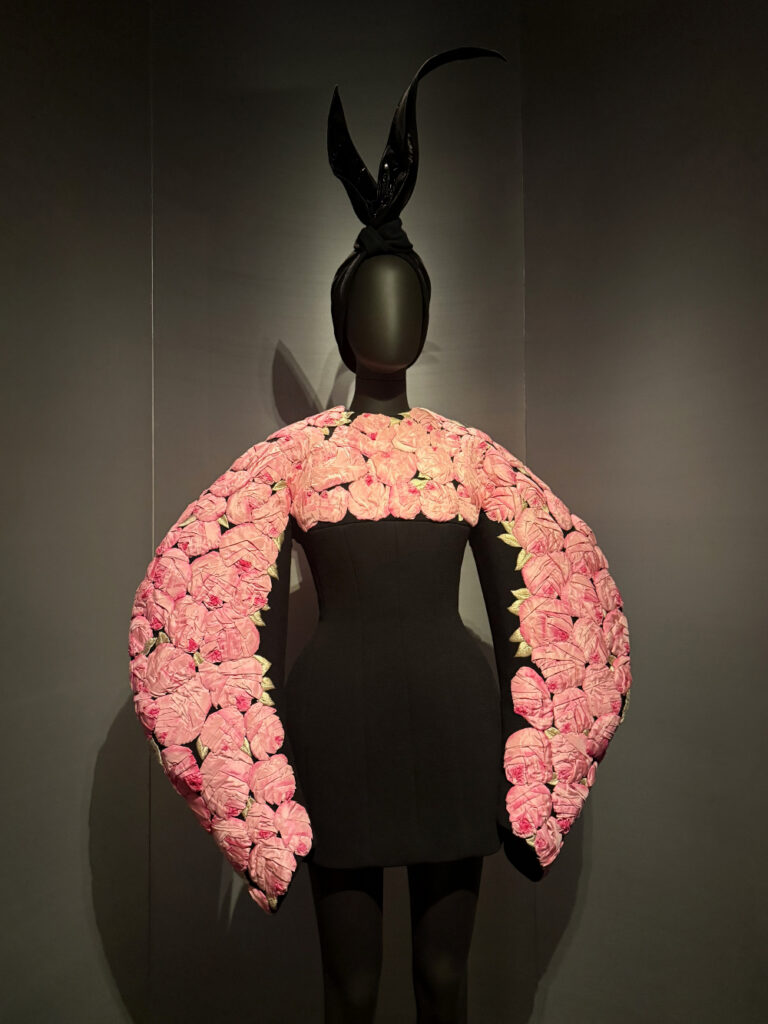
Fashion Becomes Art
Schiaparelli believed clothing should evoke emotion and spark conversation. Her designs were often theatrical, humorous and surreal, encouraging people to see
fashion as a form of artistic expression rather than simply something practical to wear.
That spirit of fearless creativity resonates strongly with Annie Sloan’s own philosophy – that colour should be joyful!
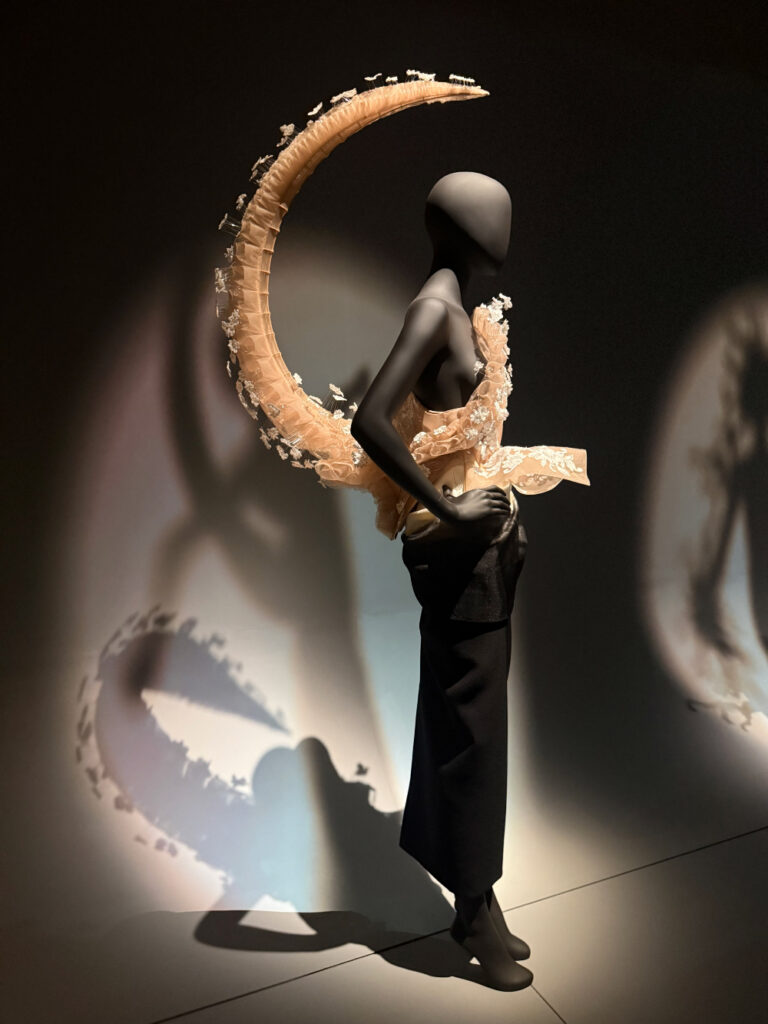
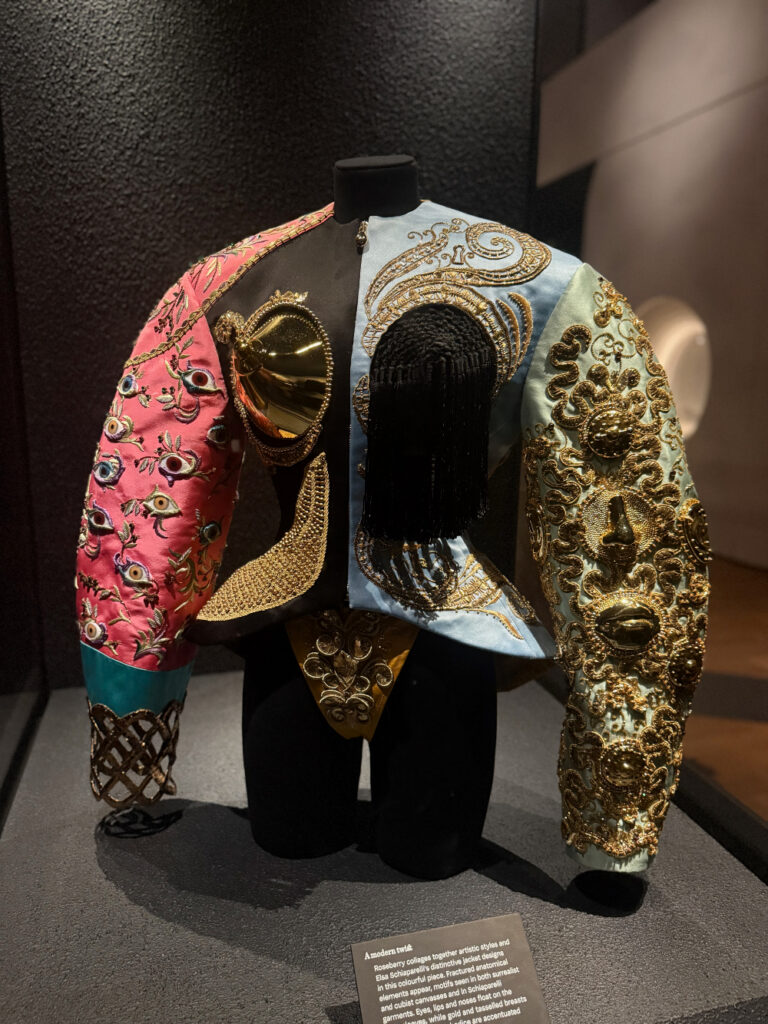
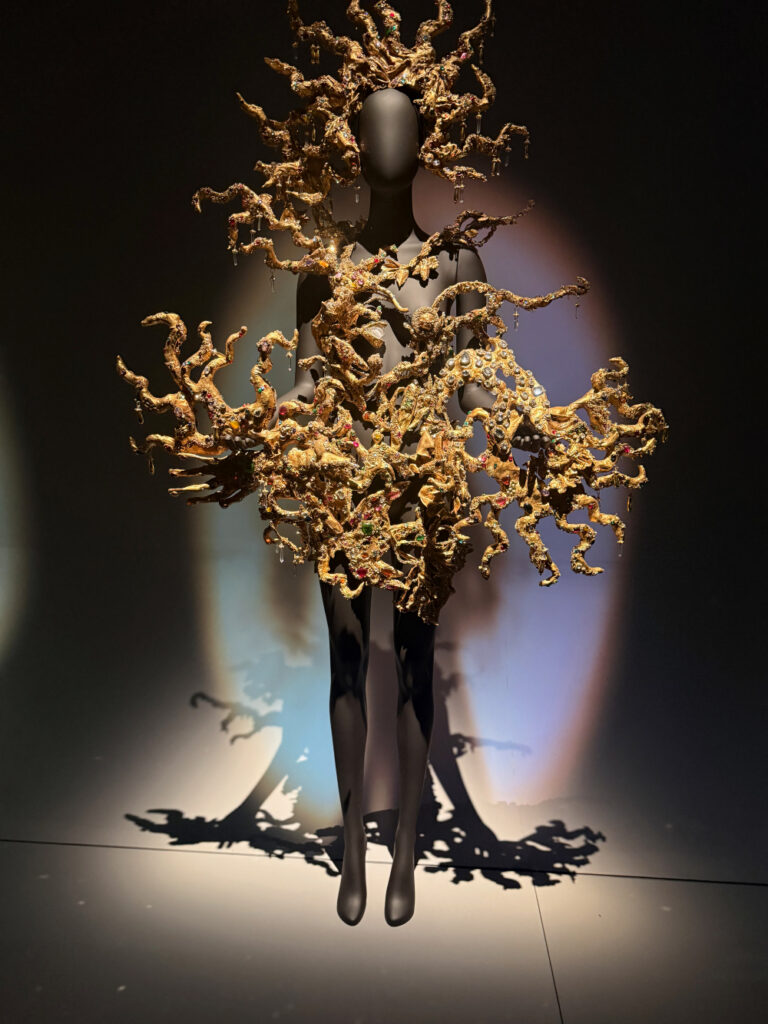
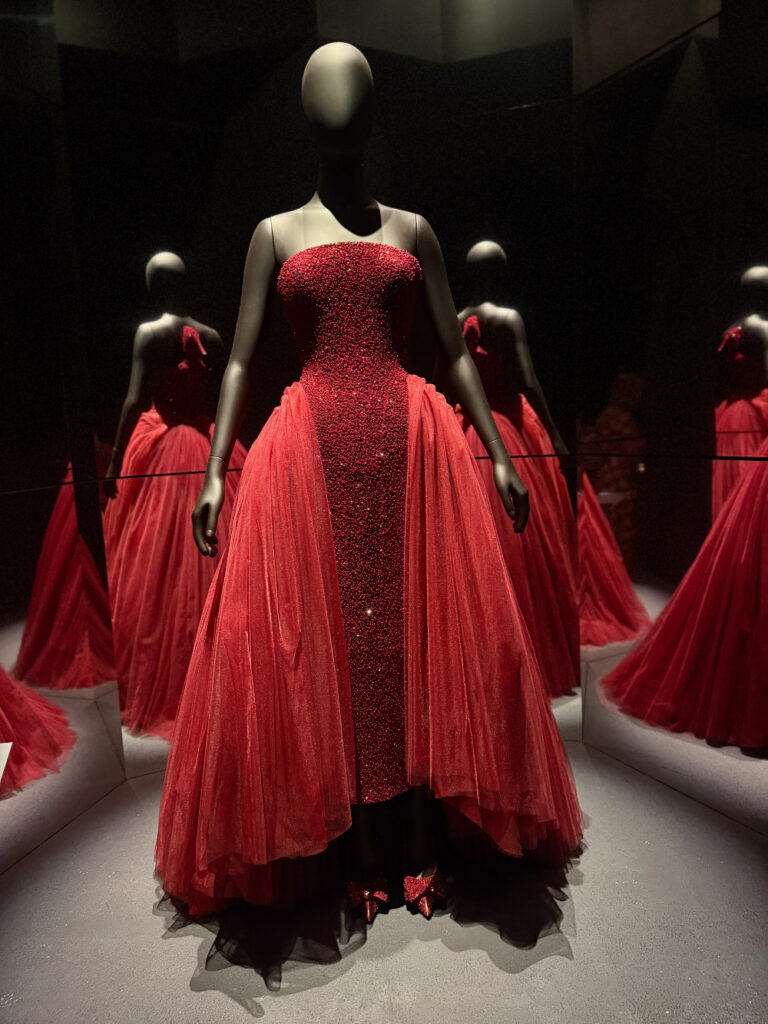
Discovering Schiaparelli at the V&A
Annie recently visited the V&A’s major exhibition Schiaparelli: Fashion Becomes Art, which celebrated the designer’s extraordinary career and lasting influence. Seeing Schiaparelli’s work in person gave Annie an entirely new appreciation of her creativity.
Like many people, Annie had always associated Schiaparelli with her famous Shocking Pink. But the exhibition revealed something unexpected. Alongside those iconic flashes of vibrant colour was an extraordinary use of dramatic black, creating striking contrasts that made every bold detail even more powerful.
Why Annie Loves Schiaparelli
Whether introducing the world to the unforgettable Shocking Pink or creating couture inspired by art, dreams and surrealism, she proved that creativity should never be limited by rules.
To hear Annie’s thoughts on Schiaparelli’s remarkable life, her revolutionary approach to colour and the inspiration she found at the V&A exhibition, listen to this episode of The Colourist podcast.
Read more about Schiaparelli in Issue 6 of the Colourist, our pink special
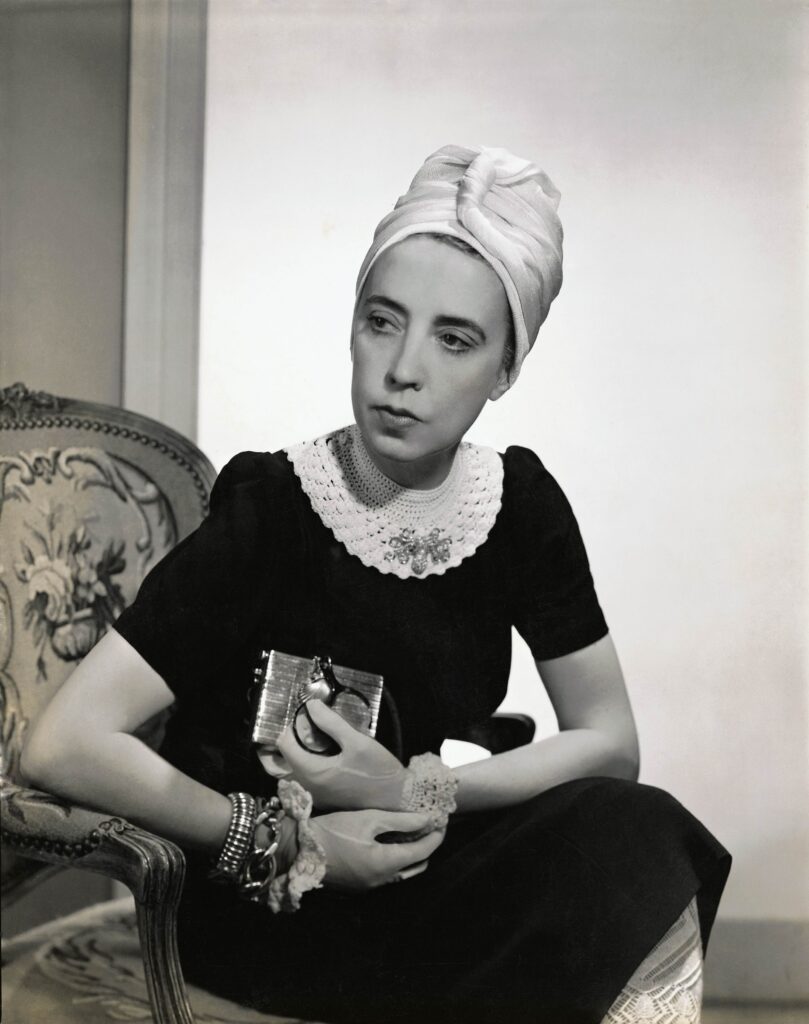
Designer Elsa Schiaparelli wearing black silk dress with crocheted collar of her own design and a turban. Photo by Fredrich Baker © Conde Nast supplied by V&A Press Office
Lobster Telephone. 1938, Salvador Dali © Gala-Salvador Dali Foundation supplied by V&A Press Office
Evening coat, designed by Elsa Schiaparelli and Jean Cocteau, 1937 © Emil Larsson supplied by V&A Press Office
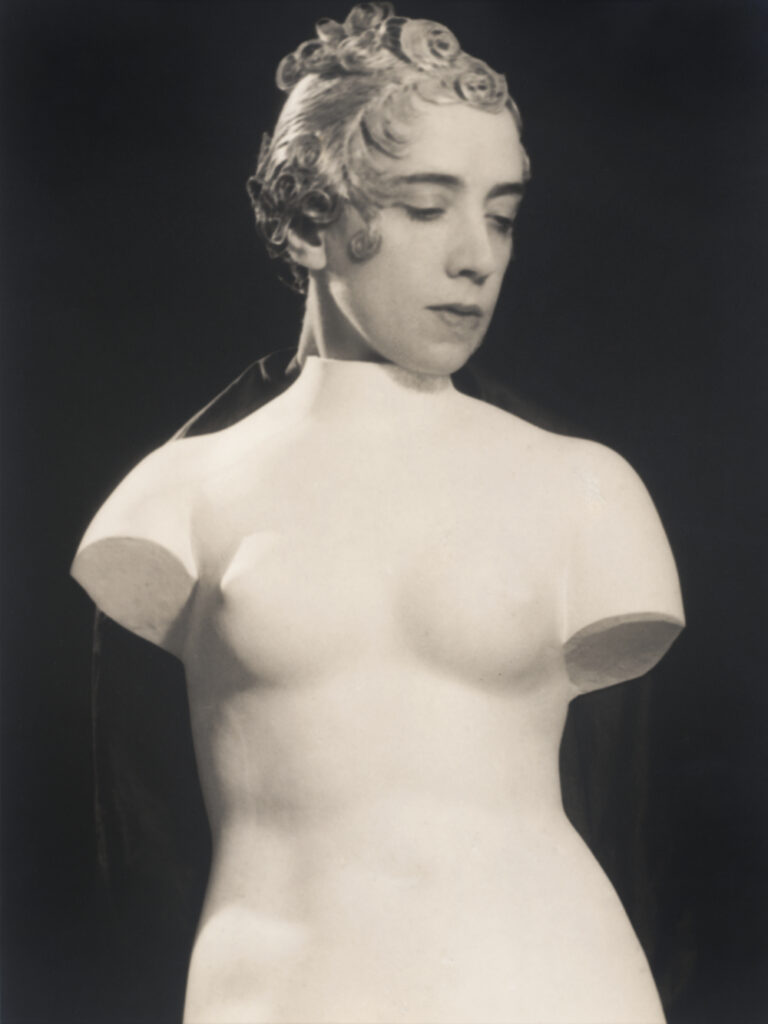
Portrait of Elsa Schiaparelli by Man Ray, 1933 © 2025 Man Ray supplied by V&A Press Office
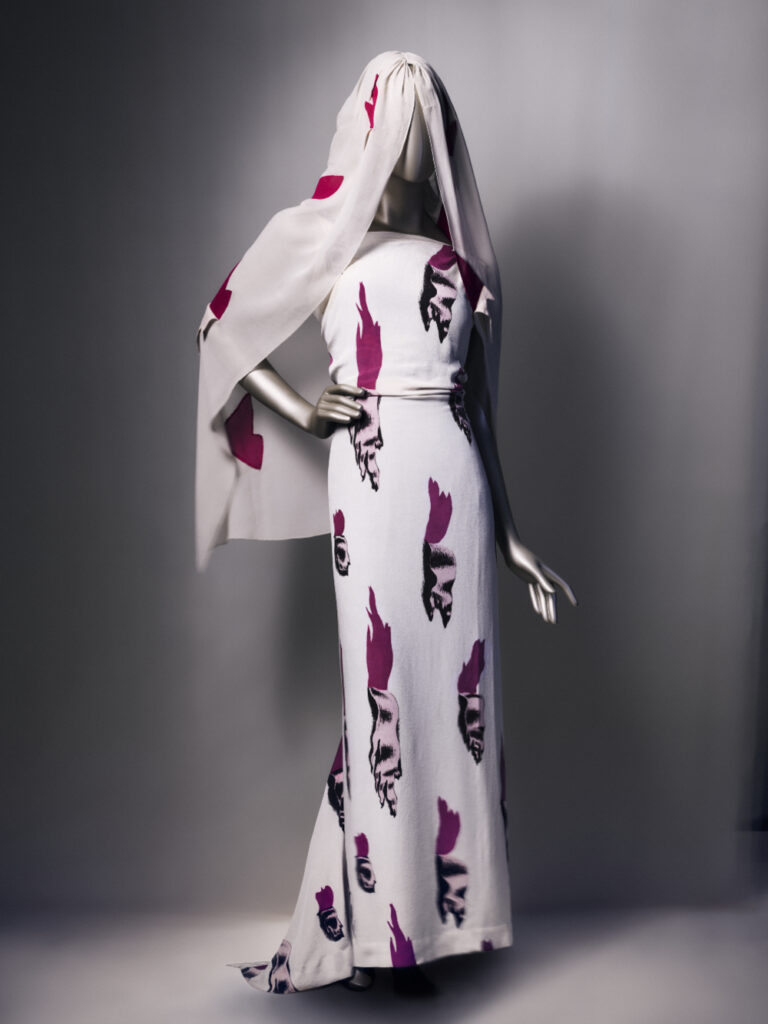
Tears dress with veil, designed by Elsa Schiaparelli and Salvador Dalí © Emil Larsson supplied by V&A Press Office
All other photographs taken at V&A exhibition by Katherine Raderecht for Annie Sloan Interiors.
Related Inspiration
Related Inspiration
Use of cookies
AnnieSloan.com uses cookies to improve your experience when you browse the site.