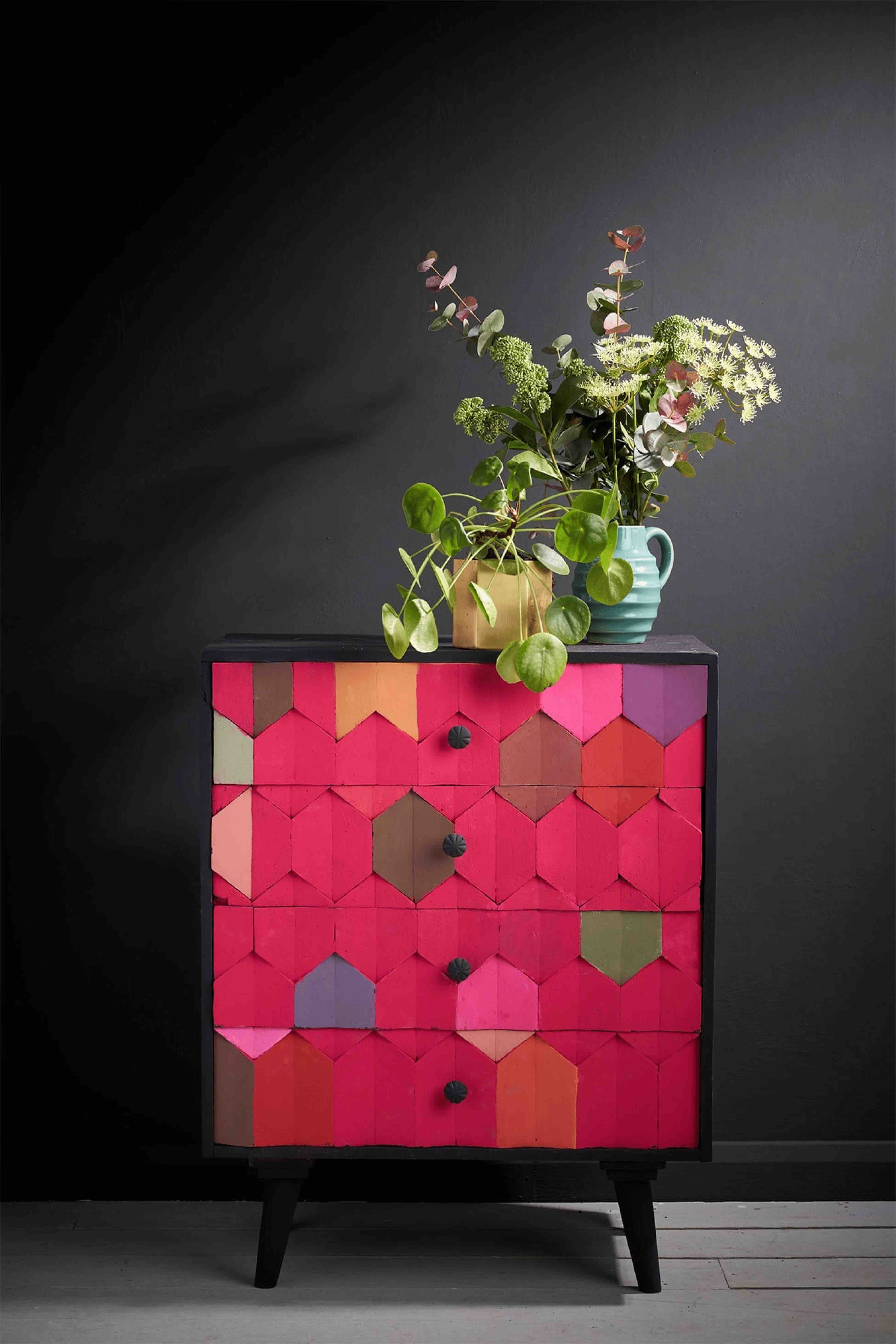
Fauvism: The art movement that set colour free!
Bright, bold and unapologetically expressive, Fauvism was one of the shortest art movements in history, lasting only from 1905 to 1908. Yet its influence on art, design and interiors has lasted for more than a century.
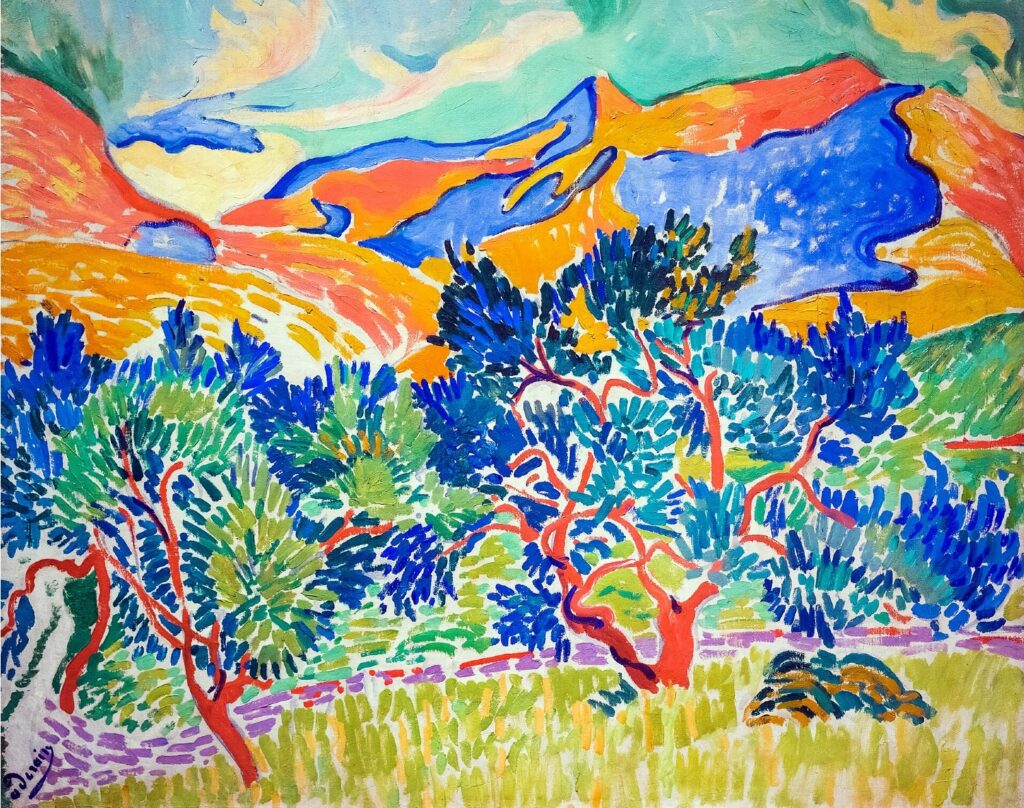
Mountains at Collioure – André Derain (1905) – Painted during Derain’s time in Collioure, this vibrant landscape uses bold blues, greens and ochres to capture light and atmosphere rather than reality.
Led by Henri Matisse and André Derain, the Fauves rejected the traditional rules of painting and instead used colour to create emotion, energy and atmosphere. Their work shocked audiences at the time, earning them the nickname les fauves– “the wild beasts” – but their fearless approach to colour continues to inspire artists, designers and decorators today.
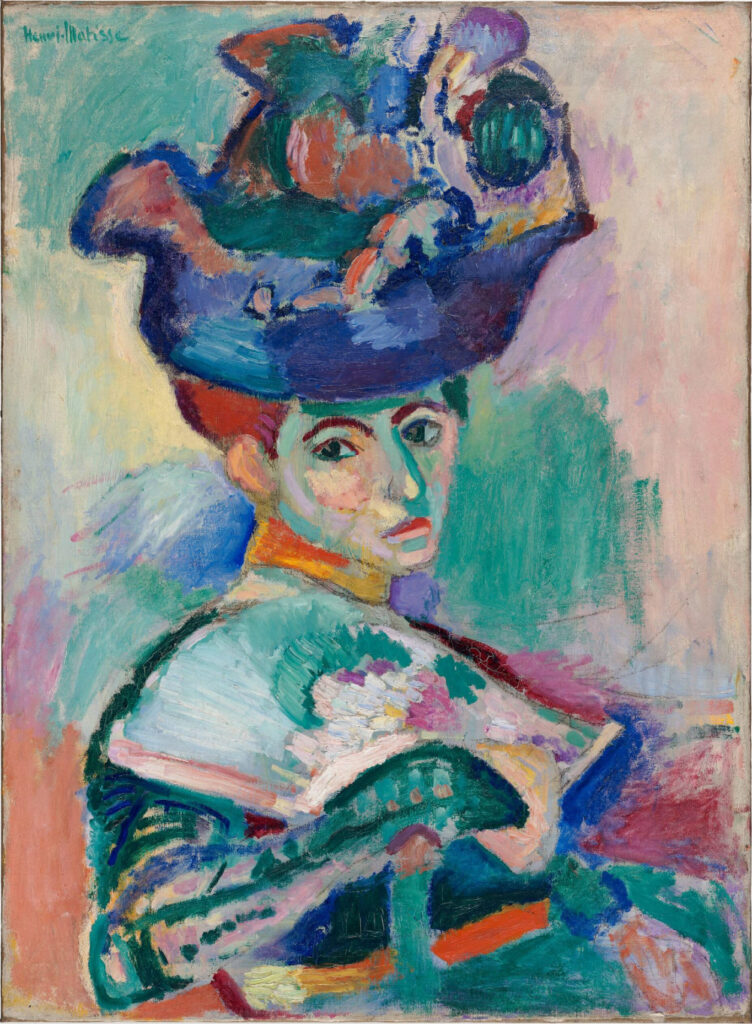
Woman with a Hat – Henri Matisse (1905) – A landmark Fauvist work, this portrait shocked audiences with its vivid greens, oranges, pinks and blues, used to create form and character.
A Revolution in Colour
Before Fauvism, artists generally used colour to represent reality. Trees were green, skies were blue and shadows were painted in dark tones. The Fauves turned these conventions upside down. Instead of painting what they saw, they painted what they felt. Rivers became orange, shadows turned blue and faces contained unexpected flashes of green, pink and yellow. Colour was no longer descriptive; it became expressive.
This new approach was made possible in part by the development of stronger, brighter pigments. Suddenly artists had access to colours that felt more vibrant and intense than ever before. The Fauves embraced them wholeheartedly, creating paintings filled with vivid contrasts and visual energy.
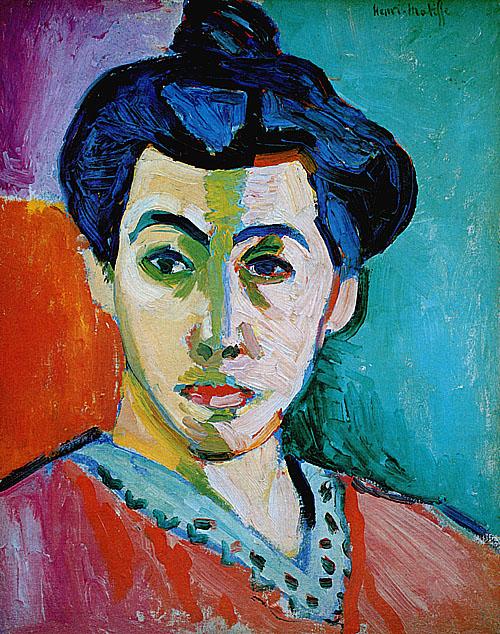
Portrait of Madame Matisse (The Green Stripe) – Henri Matisse (1905) – Matisse used bold colour contrasts instead of traditional shading, most famously the green stripe running down the centre of his wife’s face.
The Artists Behind the Movement
Henri Matisse and André Derain were at the heart of the movement. Working together in the south of France, they explored how complementary colours could transform a painting.
Rather than relying on traditional perspective, they discovered that colour itself could create a sense of depth. Warm colours such as yellow, orange and red appear to advance, while cooler blues and greens seem to recede. This simple but revolutionary idea allowed colour to shape space in an entirely new way.
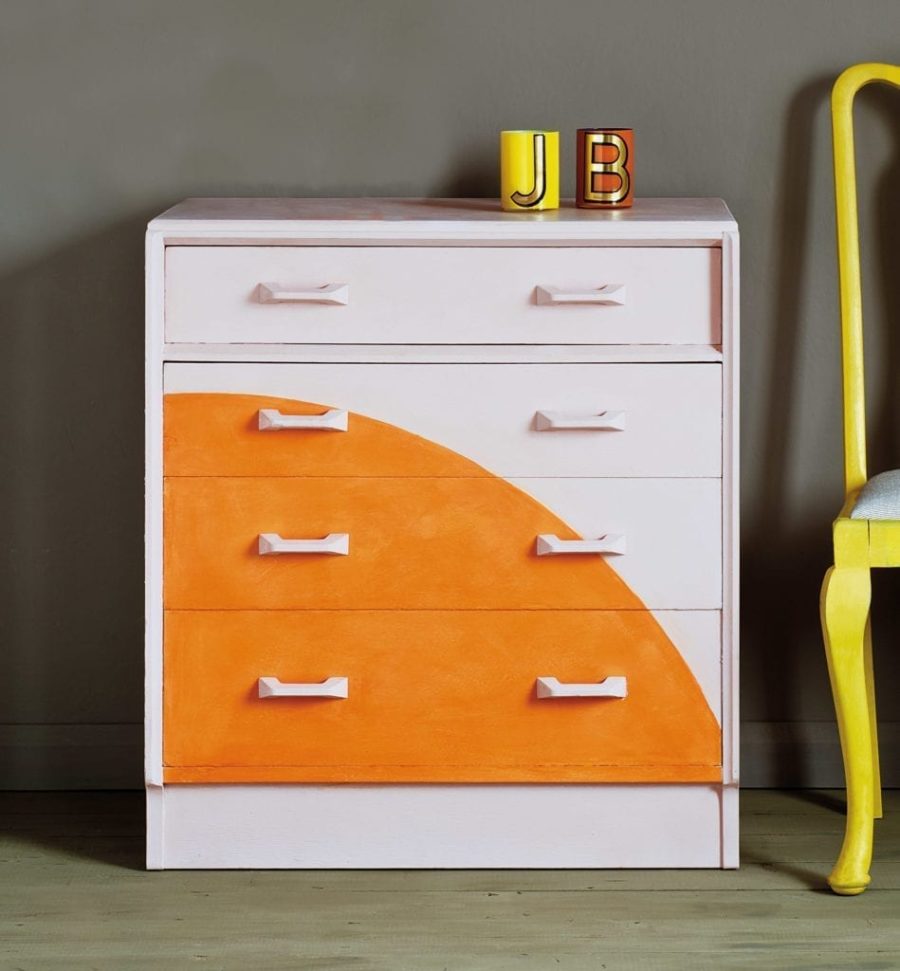
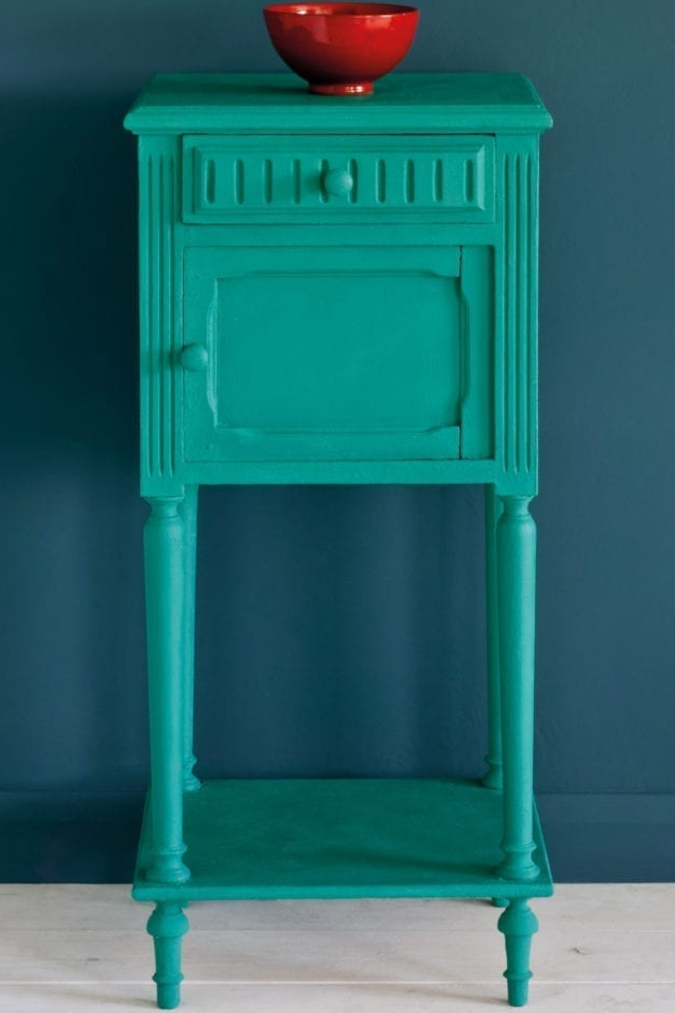
Many of the colour combinations they explored still feel fresh today. The rich warmth of Barcelona Orange paired with the cool intensity of Napoleonic Blue reflects the kind of complementary contrast that fascinated the Fauves. Likewise, the vibrant blue-green tones of Florence create the same visual excitement when placed alongside warmer reds and oranges.
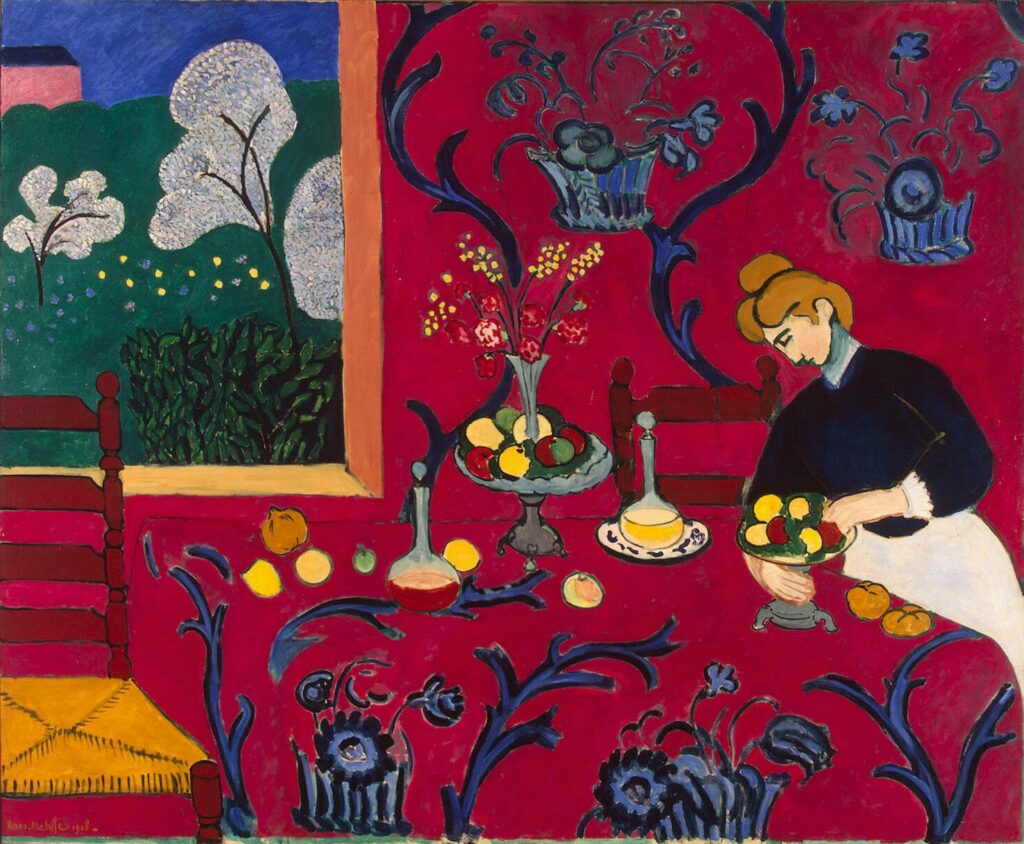
The Red Room (Harmony in Red) – Henri Matisse (1908) – An iconic Fauvist interior in which colour replaces conventional perspective, creating a room filled with warmth, rhythm and energy.
The Bright Colours of Fauvism
The Fauves didn’t use colour timidly. Their paintings are filled with strong yellows, electric blues, vivid greens and intense reds. Rather than softening colours with neutrals, they celebrated pure, saturated hues and the excitement created when contrasting colours meet.
This joyful use of colour can still be seen in palettes featuring colours such as Rodmell, Arles, Florence, Frida Blue and Barcelona Orange. Used together with confidence, these colours create the kind of bold visual impact that made Fauvist paintings so revolutionary.

Fauvism’s Influence on Art and Interiors Today
Although the movement lasted only a few years, it changed the course of modern art. Its influence can be seen in everything from Cubism and modern textiles to contemporary interiors and maximalist decorating.
More importantly, Fauvism reminds us that colour should be joyful. Matisse and Derain showed that colour has the power to transform a mood, create atmosphere and bring a space to life. Their paintings remain a celebration of optimism, creativity and fearless self-expression and they continue to inspire artists and decorators today. To hear Annie Sloan’s thoughts on Fauvism, complementary colours, Matisse, Derain and how to bring a Fauvist palette into your own home, listen to the Fauvism episode of The Colourist Podcast.
Related Inspiration
Related Inspiration
Use of cookies
AnnieSloan.com uses cookies to improve your experience when you browse the site.